
I am sometimes referred to as a consultant, and it makes me squirm. Before I go off on one about why, let me caveat: there's loads of excellent humans in the consultancy space — honest, brilliant, helpful, and kind. That said…
An increasing amount of research shows that a lot of consultants are shit. There's always the incentive — especially with social media — for them to become self-interested bullshitters with regard mainly for their own income and status. Their (our?) whole job is to make you believe their (our?) bullshit through self-aggrandisement, "thought-pieces", and the utilisation of the latest trendy theory regardless of actual impact. Transformative conversations, radical new methodologies, disruptors, dream-weavers and no-end of self-satisfied turd-soup abounds in the space of consultancy.
And I'm conscious of the irony here — you're reading a "thought-piece" meant to promote an idea that makes me, who may or may not be a consultant, look good. The truth is I am just as susceptible to my own bullshit as the next over-educated donkey brain. But despite my capacity for idealising ideas, I'm going to try and differentiate from the consultarses through a basic concept: nothing is transformative.

Or, at least, nothing I can sell you. Our world is replete with offers of transformation — of three habits to change your life, of simple ways to find love, of the two-day training course that will make your workplace radically collaborative. The heroic narratives embedded in our culture contain pivotal moments of change, whether mythical — magical elixirs, mystical knowledge — or aspirational, with successful leaders telling of their moment of insight, their Damascene vision, their one key shift that made everything work.
But the reality is that rapid transformative change tends to involve dramatic and sometimes ugly shifts — environmental upheavals or personal crises. As much as forcing you to lose your job, make a baby, or have a near-death experience would be great for my impact metrics, I've decided against it (for now).

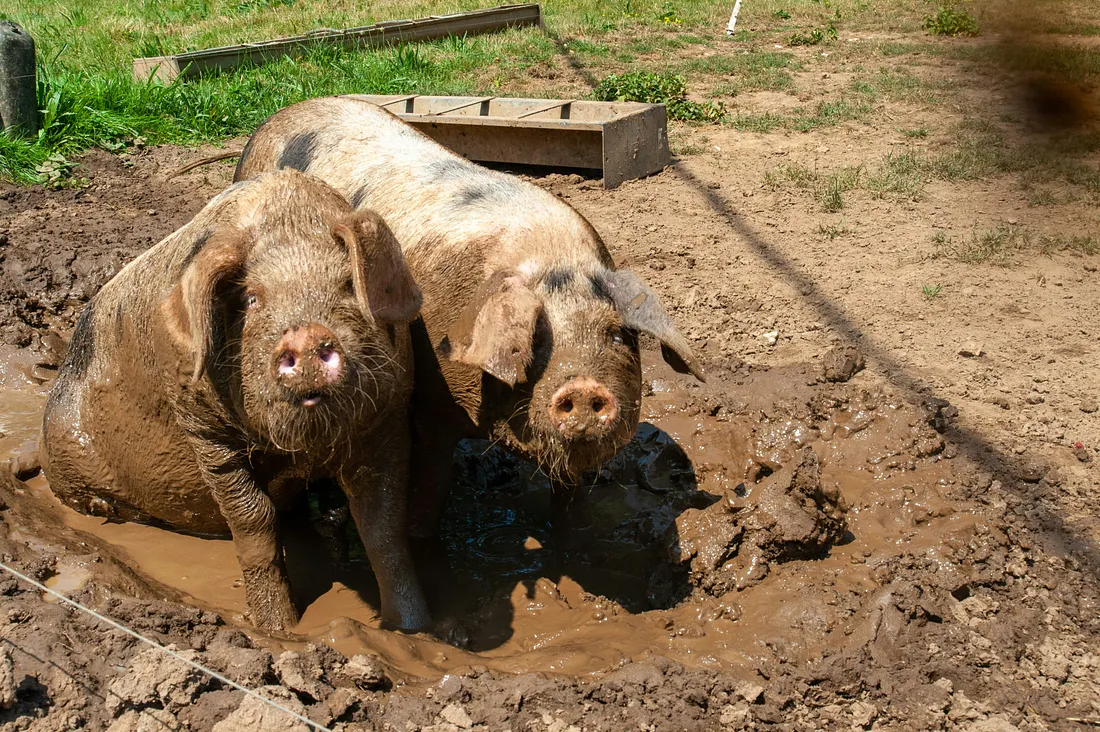
Actual change is hard, messy, and slow. It's the result of a great convergence of factors and moments and experiences, and takes years of practice and commitment and adaptation. Reality is muddier, more entangled with the gritty stuff of life. So nothing I — or likely anyone else — say or do will transform your life, your workplace, or your relationships.
But new ideas and interventions can be useful. They can offer a bump into different ways of being that, over time, can snowball. It's a long and arduous road, with many diversions along the way, and so the snowball might end up as more of a snow-decahedron, picking up plenty of detritus and maybe the odd golden nugget on its path. Whilst there's ways in which desired changes are more likely to grow, even these best planned transitions meet with messy and stubborn realities.
What's important in making change, then, is humility. Listening and responding to how ideas play out in reality; the capacity to test and adapt. A real and genuine openness, a commitment to learning, to shutting-up, to recognising where the most important information is coming from (often, the ground). And, for our own benefit, recognising that our idea or intervention might not be the game-changer we want it to be. Our best hope, really, is that new ideas provide guidance or provocation into the sensible next step.
So yeah, I begrudgingly accept that I do a bit of consulting. But I'm going to try really hard to avoid the temptation to promise anything other than a nudge in a potentially useful direction. And if I flop — please send me an expletive-laden email to nudge me back on the right path.
Also published on Medium. · ← Back to Writing